


-1.png)
Quiet Your Ride with Quiet Van Seating Solutions
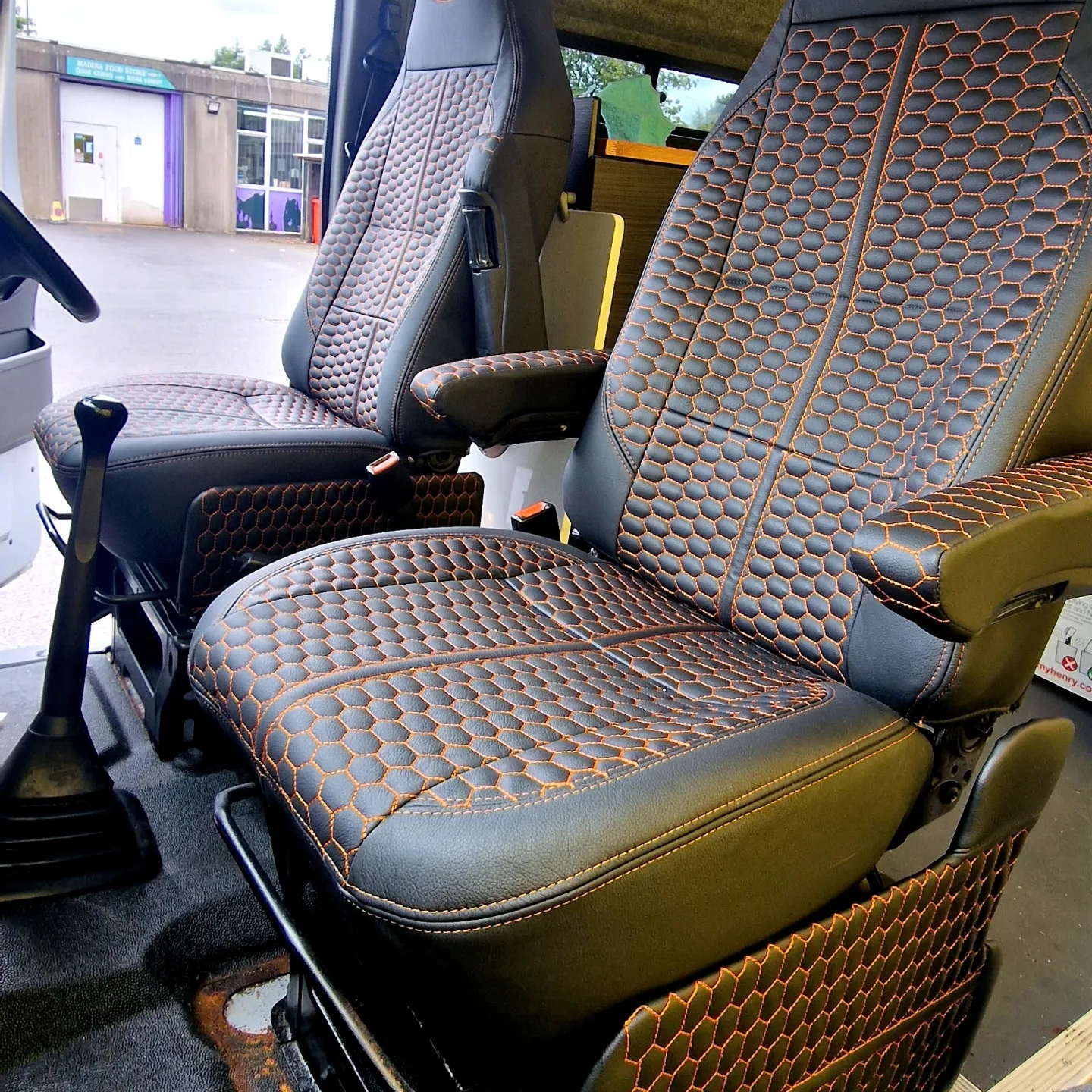
When you spend a lot of time on the road, especially in a van, every little noise can add up. That constant rattling and squeaking from your seats can quickly become a distraction and a source of frustration. I’ve been there myself, and I know how important it is to have a quiet, comfortable ride. That’s why I want to share some practical tips and insights on how to achieve quiet van seating solutions that make your journeys smoother and more enjoyable.
Whether you’re converting a campervan, running a shuttle service, or simply want to upgrade your commercial vehicle, this guide will help you understand the best ways to reduce noise and improve your van’s interior comfort.
Why Quiet Van Seating Solutions Matter
Noise inside a vehicle isn’t just annoying - it can affect your focus, your mood, and even your safety. When seats rattle or shift, it creates distractions that can take your attention away from the road. For those using vans as mobile offices or adventure vehicles, a peaceful environment is essential.
Quiet van seating solutions go beyond just comfort. They contribute to:
Better concentration during long drives
Improved passenger experience for clients or family
Reduced wear and tear on seat components
Enhanced vehicle value through quality upgrades
If you’re investing time and money into your van, it makes sense to prioritise seating that stays firmly in place and doesn’t add to the noise.

How to Achieve Quiet Van Seating Solutions
There are several ways to reduce seat noise and ensure a quiet ride. Here are some of the most effective methods I’ve found:
1. Choose Quality Seat Materials
Seats made from cheap or thin materials tend to creak and rattle more. Opt for seats with sturdy frames and high-density foam padding. These materials absorb vibrations better and reduce noise.
2. Use Sound Dampening Pads
Adding sound dampening pads or mats underneath the seats can significantly cut down on rattles. These pads absorb vibrations from the road and prevent metal parts from clanking together.
3. Tighten and Secure All Bolts
Loose bolts are a common cause of seat noise. Regularly check and tighten all screws and bolts holding the seats in place. Using thread-locking compounds can help keep them secure over time.
4. Add Rubber Washers or Gaskets
Placing rubber washers or gaskets between metal parts can stop them from rubbing and creating noise. This simple fix can make a big difference in reducing squeaks.
5. Upgrade to Custom Fittings
If you’re converting a van, consider custom seat fittings designed specifically for your vehicle model. These fittings ensure a snug fit and minimise movement that causes noise.
6. Regular Maintenance
Seats and their fittings should be inspected regularly. Dust, dirt, and wear can loosen parts and increase noise. Keeping everything clean and well-maintained helps maintain a quiet ride.
By combining these approaches, you can create a seating setup that stays quiet and comfortable, no matter how bumpy the road gets.
Are van swivel seats safe?
Swivel seats are a popular choice for campervan conversions and mobile offices because they add flexibility and space. But safety is a common concern. Are these seats safe to use while driving?
The answer is yes, but with some important considerations:
Certified swivel seats: Always choose swivel seats that meet safety standards and have been crash-tested. This ensures they provide proper support and protection in an accident.
Locking mechanisms: The swivel function must lock securely in the forward-facing position when the vehicle is moving. This prevents unwanted rotation that could be dangerous.
Professional installation: Proper fitting by experienced technicians is crucial. Incorrect installation can compromise safety and cause noise issues.
Seat belts: Ensure the swivel seat is compatible with your vehicle’s seat belt system and that belts are correctly anchored.
When installed and used correctly, swivel seats offer both safety and convenience without adding noise or distraction.

Practical Tips for DIY Vanlifers and Conversion Pros
If you’re hands-on and enjoy working on your van, here are some actionable tips to keep your seats quiet and secure:
Use anti-rattle clips: These clips are designed to hold seat components tightly and prevent movement. They’re inexpensive and easy to install.
Apply silicone spray: Lubricate moving parts with silicone spray to reduce friction and squeaks. Avoid oil-based lubricants as they attract dust.
Check seat rails: Seat rails can accumulate dirt and cause noise. Clean and lubricate them regularly.
Custom upholstery: Adding thicker upholstery or foam layers can absorb sound and improve comfort.
Test drive after adjustments: Always take a test drive after making changes to identify any new noises or issues.
These small steps can make a big difference in your van’s interior noise level.
Why Choose rattle free van seats for Your Upgrade?
If you want a hassle-free way to upgrade your van seats, consider investing in rattle free van seats. These seats are designed specifically to eliminate annoying noises and provide a smooth, quiet ride.
Here’s why they stand out:
Precision engineering for a perfect fit
High-quality materials that absorb vibrations
Robust locking systems to prevent movement
Tailored options for campervans, commercial vehicles, and more
Choosing these seats means less time fixing rattles and more time enjoying your journey.
Enhancing Your Van’s Interior Beyond Seating
While quiet seats are a great start, you can further improve your van’s interior comfort by addressing other noise sources:
Floor insulation: Adding soundproof mats or insulation under the floor reduces road noise.
Door seals: Check and replace worn door seals to prevent wind noise.
Window treatments: Double-glazed or insulated windows help keep outside noise out.
Cabin accessories: Soft furnishings like curtains, cushions, and rugs absorb sound inside the van.
Combining these upgrades with quiet seating creates a peaceful environment perfect for work, travel, or relaxation.
I hope these insights help you create a van interior that’s not only functional but also peaceful and comfortable. Quiet van seating solutions are an investment in your driving experience, making every trip more enjoyable. If you’re ready to upgrade, remember that choosing the right seats and maintaining them well is key to a rattle-free ride.
Safe travels and happy van living!

Comments