


-1.png)
Achieving Smoother Van Seating Solutions for a Comfortable Ride
- Van Seats Ltd
- Apr 3
- 4 min read
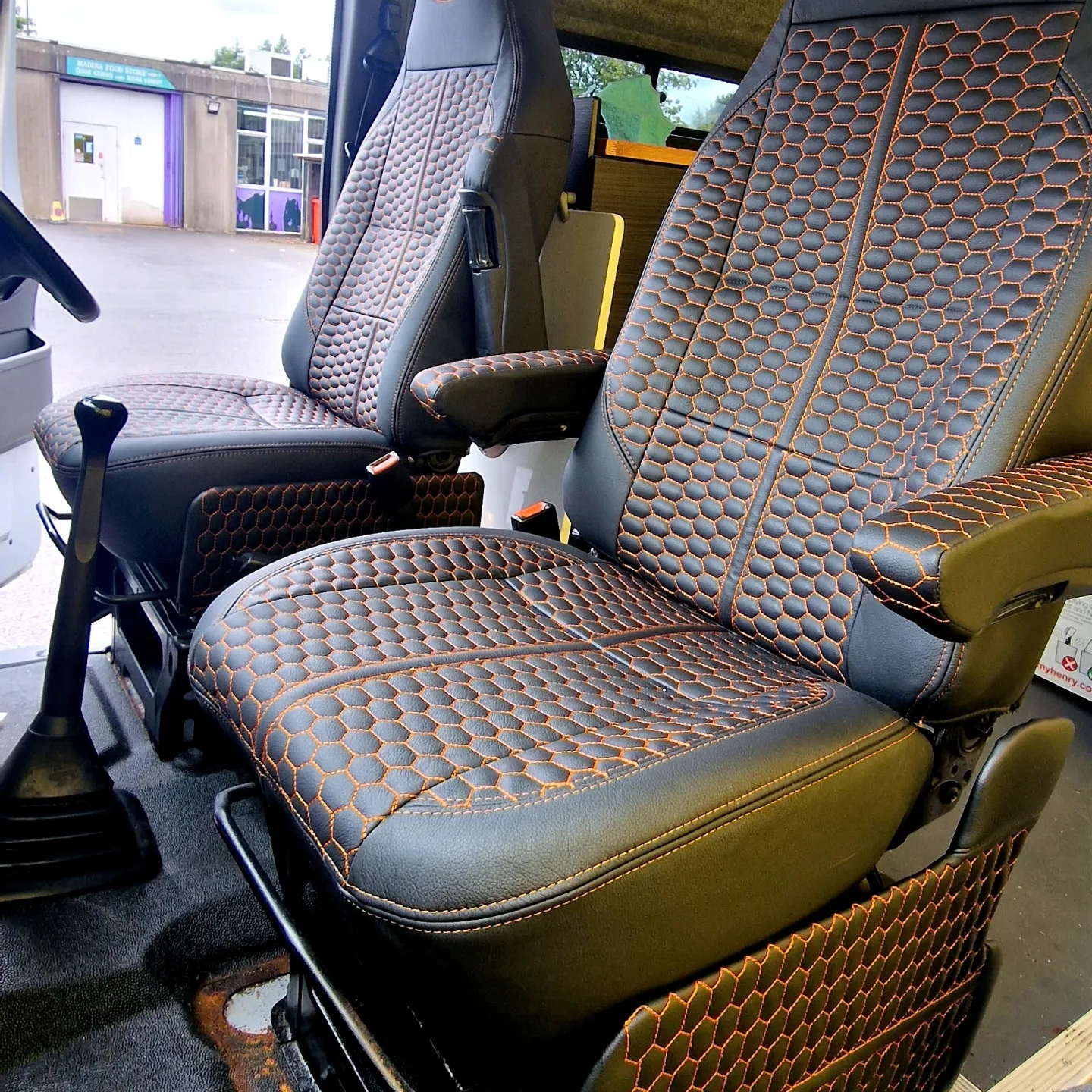
When it comes to transforming a van into a comfortable, practical space, seating plays a crucial role. Whether you’re a campervan enthusiast, a fleet operator, or someone running a mobile business, the quality and stability of your van seats can make all the difference. Nothing disrupts a smooth journey like seats that rattle or shift unexpectedly. That’s why I want to share some practical tips and insights on achieving smoother van seating solutions that enhance comfort and safety.
Why Smoother Van Seating Solutions Matter
Imagine driving down a bumpy road with seats that squeak, rattle, or wobble. It’s distracting and can even be unsafe. Smoother van seating solutions not only improve your ride quality but also protect your investment by reducing wear and tear on your vehicle’s interior. Plus, well-fitted seats contribute to better posture and less fatigue during long trips.
Here are some key benefits of focusing on smoother seating:
Enhanced comfort for drivers and passengers
Reduced noise and vibration inside the cabin
Improved safety through secure seat fittings
Longer lifespan for your van’s interior components
If you want to upgrade your van seats, it’s important to understand the common causes of rattling and how to fix them effectively.

Common Causes of Seat Rattles and How to Fix Them
Rattling seats usually come down to loose fittings, worn-out components, or poor installation. Here are some common issues and how to address them:
Loose Bolts and Screws
Over time, vibrations from driving can loosen bolts and screws holding the seats in place. Regularly check and tighten all fasteners using the correct tools. Using thread-locking compounds can help keep bolts secure.
Worn or Missing Washers and Spacers
Washers and spacers help distribute pressure evenly and prevent metal parts from grinding against each other. If these are missing or damaged, replace them promptly.
Damaged Seat Rails or Mounts
Inspect the seat rails and mounting brackets for cracks or bends. Damaged parts should be repaired or replaced to restore stability.
Inadequate Padding or Cushioning
Sometimes, rattles come from the seat cushion itself. Adding or replacing foam padding can reduce movement and noise.
Improper Installation
If seats were installed without following manufacturer guidelines, they might not fit snugly. Reinstalling seats with attention to detail can eliminate rattles.
By addressing these issues, you can achieve rattle free van seats that make every journey smoother and more enjoyable.
What is the Safest Seat in a Van?
Safety is a top priority when it comes to seating arrangements in vans. The safest seat is generally the one that offers the best protection in case of sudden stops or collisions. Here’s what you need to know:
Rear-facing seats tend to be safer because they distribute impact forces more evenly across the body.
Seats with integrated headrests and side bolsters provide better support and reduce whiplash risk.
Seats fitted with proper seat belts and anchorage points are essential for occupant safety.
Middle seats in the rear row often offer more protection than side seats, as they are further from impact zones.
When upgrading or converting van seats, always ensure they meet safety standards and are installed correctly. This not only protects passengers but also complies with legal requirements.

Tips for Maintaining Your Van Seats for Longevity
Keeping your van seats in top condition requires regular care and attention. Here are some practical maintenance tips:
Clean seats regularly using appropriate cleaners for the material (leather, fabric, vinyl).
Inspect seat mounts and bolts every few months, especially after long trips or rough roads.
Lubricate moving parts like seat rails to prevent stiffness and noise.
Protect seats from UV damage by using window shades or parking in shaded areas.
Address minor issues immediately to prevent them from becoming bigger problems.
By following these simple steps, you can extend the life of your seats and maintain a comfortable, rattle-free environment.
Customising Seats for Your Specific Needs
One of the best parts of van life is making your space truly your own. Customising your seats can improve comfort and functionality. Here are some ideas:
Add extra padding or memory foam cushions for long drives.
Install swivel bases to create flexible seating arrangements.
Choose durable, easy-to-clean upholstery for work vans or pet grooming vehicles.
Incorporate storage solutions under or behind seats.
Use seat covers that match your van’s style and protect the original fabric.
Customisation not only enhances comfort but also adds value to your van, making it more enjoyable and practical for your lifestyle or business.
Final Thoughts on Achieving a Smoother Ride
Investing time and effort into your van’s seating can transform your driving experience. From tightening bolts to customising cushions, every step counts toward a smoother, quieter, and safer ride. Remember, achieving rattle free van seats is not just about comfort - it’s about creating a space where you can focus on the road and enjoy the journey.
If you’re ready to upgrade your van seats or need expert advice, consider working with specialists who understand the unique demands of commercial and campervan seating. With the right approach, your van can become a haven of comfort and reliability on every trip.
Happy travels and smooth rides!
Comments